Why Premium Brands Need Stock Updates

28.12.25 09:00 AM - By Agency Access
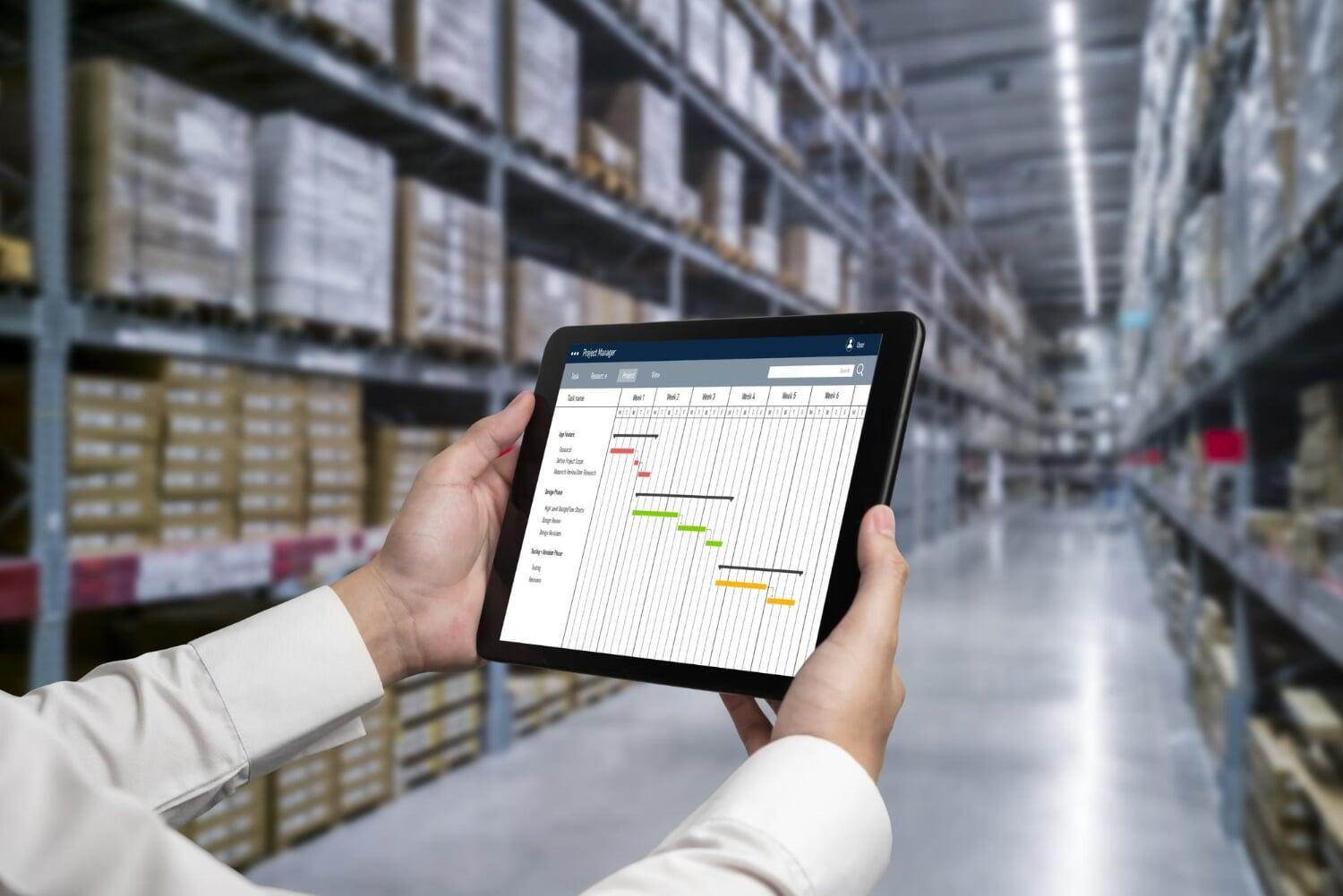
stock update

Stock updates often live in the background of luxury brand operations, but they deserve a front-row seat. Without fresh stock data and timely updates, even the most established labels can run into issues. Whether it's slow-moving inventory or a lack of new product visibility, poor stock planning can chip away at the customer experience and put pressure on fulfilment. For UK-based premium brands, the final days of December aren’t just about tying up loose ends. They’re about preparing for a clean, strategic start to the next trading year.


Getting stock updates in place right before January is a smart move. December shopping patterns have likely affected inventory levels, and upcoming buying trends are on the way. With UK ecommerce fulfillment relying on accuracy and quick turnaround, having nonsense-free stock data isn’t a luxury, it’s a must. Clean stock management means better deliveries, happier customers, and more predictable costs. That’s what gives luxury brands a sharp edge going into the new season.


The Importance Of Regular Stock Updates


Luxury isn’t about having more things, it’s about having the right things. Brands that position themselves at the top need to be selective, agile, and current. Regular stock updates help with exactly that. Outdated or inaccurate product records can cause serious issues, from selling unavailable items to missing chances when in-demand pieces are back.


When updates happen routinely, brands stay in control. They’re more able to identify which items are moving fast and which ones are starting to gather dust on the shelves. This means avoiding over-orders on slow sellers and planning well for items that are flying out the door. Since luxury brands often work with limited runs or seasonal edits, visibility is everything. Staying current keeps a brand relevant and avoids product fatigue.


Beyond relevance, stock updates help keep the luxury image intact. No one wants to browse a label’s website only to find their size isn’t available or that products are sitting long past season. That doesn’t feel exclusive. Limited availability is fine, expected even, but things need to be restocked or swapped out fast to keep that feel of curation and luxury.


Some ways this plays out in real life:


- A customer tries to order a high-end handbag but it turns out to be sold out. The listing was never taken down or updated. That shopper is now frustrated and likely to question if the brand can deliver what it promises.

- A popular item restocks, but no notice goes out and the site isn’t updated quickly. Loyal customers miss out while new ones feel misled.


Clear and routine stock updates put these problems to rest before they even start.


Enhancing Customer Experience


People who shop luxury expect a smoother experience than what they’d get from standard brands. That doesn’t stop at packaging or product design, it’s also shaped by how easy or frustrating the buying process is. Updated stock helps reduce friction and keeps customers feeling valued.


When stock info is always current, shoppers know what’s genuinely available. It also helps them make decisions faster without having to second-guess if products are truly in stock or if they're about to hit a backorder. This builds trust and sets the tone for repeat business.


More than just accuracy, regular updates allow brands to rotate new items in often enough to keep things exciting. Fresh arrivals inspire return visits, while out-of-date ranges can start to feel a bit flat. By showing that items come and go on a regular basis, brands remind customers they’re shopping with a label that’s active, alert, and always putting forward its best edit.


Some benefits include:


- Faster order processing because staff and systems work off accurate data

- Fewer refunds caused by overselling or incorrect inventory levels

- Reduced customer service issues around out-of-stock items

- Better product visibility for seasonal or limited-edition ranges


In short, the more reliable the product data, the smoother the shopping journey. And in the high-end space, smooth matters. The goal isn’t just to impress a customer up until checkout, it’s to impress them from click to delivery and beyond. Stock updates may sound simple, but they have a clear ripple effect on every part of that journey.


Operational Efficiency And Cost Savings


Regular stock updates can do more than help keep products moving, they also make everything behind the scenes work better. From warehouse layout planning to shifting bulk stock before it takes up too much space, updated inventory data helps staff spend less time fixing problems and more time fulfilling orders properly. Everything flows better when what’s listed matches what’s actually on the shelves.


Late updates slow everybody down. They confuse picking teams, delay shipments, and increase handling errors. Outdated stock listings also lead to duplicate management work, especially when products are promised to customers but turn out unavailable. Mistakes like that create extra returns, refunds, and unhappy buyers. All of it costs more time and money.


The smarter move is to keep stock figures fresh and regularly reviewed. That way:


- Warehouses avoid overflowing with old or unsold inventory

- Seasonal overstock can be cleared or repositioned before it cuts into next-season plans

- Picking and packing operations become more accurate, cutting down on repacking and delays

- Staff can put their time into product movement, not product corrections


Even something as simple as clearly marking slow-moving items helps decision making. Some items may need upselling, a sales push, or even re-evaluation going forward. Knowing this ahead of time opens up options instead of leaving stock stuck in limbo or eating up expensive shelf space.


Leveraging UK Ecommerce Fulfilment Services For Stock Accuracy


Fulfilment services across the UK are already set up to make stock management easier, if they’re used right. Strong communication between the warehouse and brand means updates move quickly and get logged in real time. This matters especially during busy periods like Boxing Day sales or New Year launches, where miscounts can spiral into far bigger problems if left unchecked.


Working with expert fulfilment teams allows brands to shift focus back to curation and product visuals, while leaving the technical logistics to those trained in precise distribution workflows. Smooth coordination on stock changes also keeps online storefronts accurate and responsive, which helps avoid overselling and mismanaged demand.


If you’re reviewing fulfilment partnerships in the run-up to the new season, keep an eye out for these things:


- Strong stock-tracking systems that report updates in real time

- Flexibility in handling limited runs and high-value SKUs

- Clear workflow documentation that covers how products are received, logged, and fulfilled

- Communication channels that make it easy to address stock discrepancies quickly


This isn’t about choosing the biggest fulfilment provider, it’s about choosing the one that can handle high-end goods with attention and accuracy. With new stock forming the base of customer trust, a fulfilment partner should act like a seamless extension of the brand.


Responding To Changing Trends Through Stock Updates


Fashion and luxury move quickly. Tastes shift, demand spikes, and sometimes products that seemed niche start selling out. Being able to tap into those patterns instead of missing them completely comes down to how well brands track and respond to stock activity day by day.


Keeping an eye on which items are outperforming isn't just a way to reorder smartly. It also helps brands notice which ranges are lagging and drop them with less impact. This fast feedback loop supports smarter product development, marketing choices, and pricing strategies.


When spring trends fade and fresher looks arrive, there's a moment of opportunity for brands to reset. That’s a good time to:


- Retire dated stock by bundling or discounting discreetly

- Bring in pieces directly influenced by current pop culture or seasonal shifts

- Test shorter, trial runs of new lines without overordering


One luxury skincare brand, for example, noticed their amber bottle facial oils peaked around colder weeks. They switched to launching product edits focused on texture and hydration near late autumn, keeping their stock tight while staying trendy. A keen eye on live inventory allowed them to shift quickly without leftover stock clogging the warehouse.


Stock data isn’t just operational, it plays a role in brand positioning. Fast moves reflect sharp instincts. That’s what keeps luxury feeling fresh.


Preparing For The New Year With Updated Inventory


With the calendar turning and holiday purchases slowing down, late December into January opens up a good-sized window for a proper stock reset. It’s a time when returns are coming in, Q4 results are clearer, and staff aren't stretched across non-stop dispatching. That makes it the ideal time to do more than a basic count, it’s time for a full review.


Analysing which products performed best and which categories underdelivered helps build new strategies around buying, fulfilment needs, and promotional plans. Sitting with last year’s data gives insight into customer preferences that can shape more relevant edits this year. Good stock accuracy makes that reflection a lot more productive.


Here’s how brands can get the most out of this transition period:


- Line up all sales data against inventory figures to catch any gaps or trends

- Mark any damaged returns or items no longer in saleable condition for final removal

- Plan product drops ahead of time so fulfilment teams are ready with the right volumes and packaging

- Store new arrivals in clearly labelled batches for quick release when live


Clean stock equals easier planning. It cuts confusion in the early part of the year when systems kick back into gear and order volumes begin rising again.


Making Stock Accuracy Part of Your Brand’s Strength


Fresh and accurate stock lets everything else fall into place. It strengthens delivery times, supports smoother launches, and helps build customer loyalty. When product data is reliable, planning gets easier. From forecasting all the way through to packing, there’s less waste, fewer errors, and more room to focus on product experience and branding.


Consistency creates confidence. When customers get used to seeing new releases on time and as expected, they’re more likely to trust the process. Reliable stock keeps that rhythm going. It becomes easier to offer updates, do planned runs, and introduce edits that feel exciting instead of last-minute.


Luxury buyers want clarity and reliability just as much as they want beautiful items. So behind every polished online collection is a back end that runs like clockwork, starting with accurate stock updates. Brands that keep that sorted stay one step ahead, even during busy transitions between seasons. That edge isn’t created overnight. It’s built every day, one stock update at a time.


Improving how stock is managed and updated makes a real difference in how luxury brands perform and maintain quality. If you’re aiming to boost accuracy and efficiency, make the most of UK ecommerce fulfillment to support accurate inventory tracking and smooth order turnaround. At Premium Fulfilment, we know how timely updates can transform your business operations and keep you ahead of the curve. Explore options for making your inventory count and your deliveries pinpoint-perfect through our UK ecommerce fulfillment services.

Agency Access