
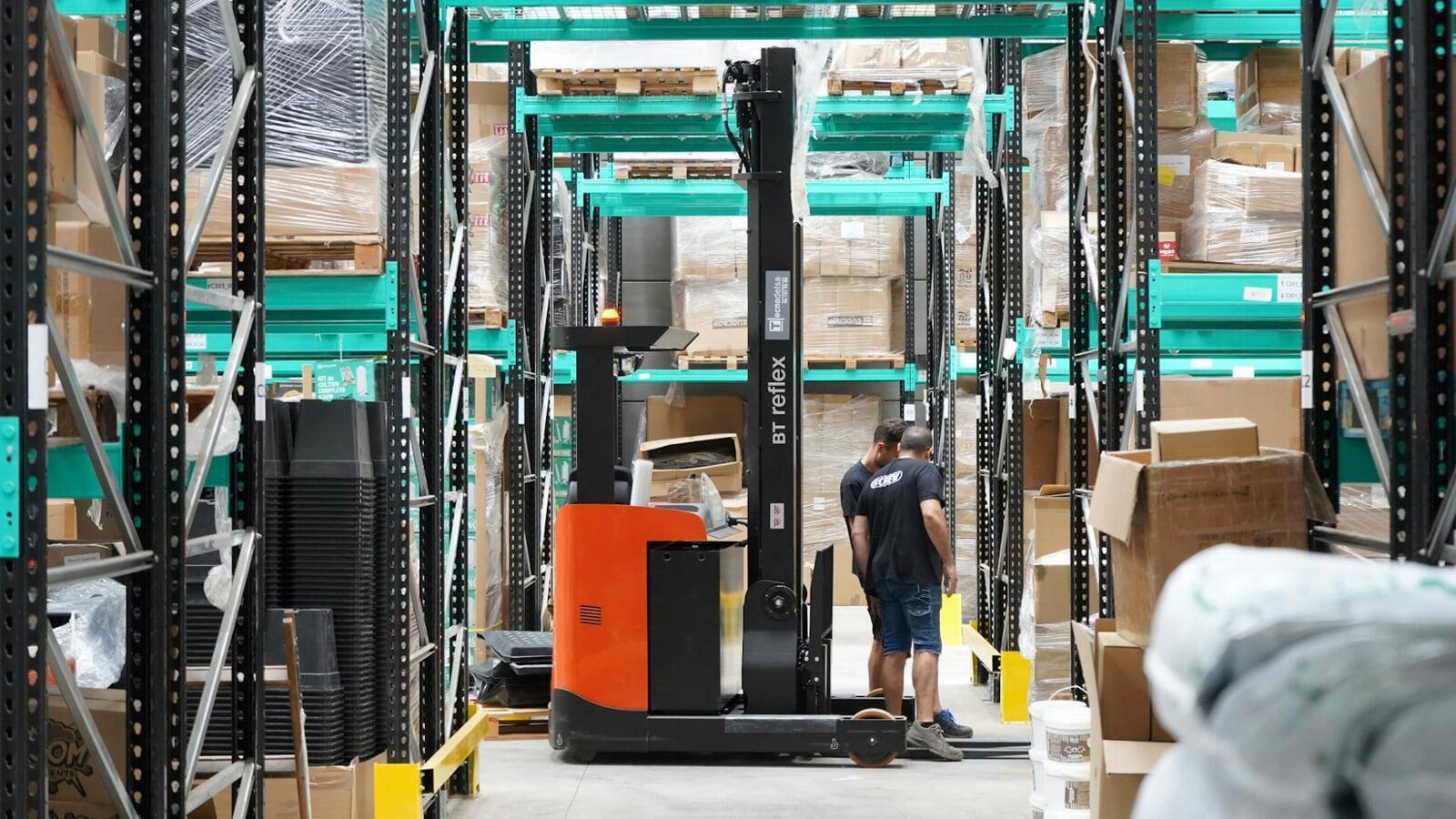
A fulfilment house in the UK can make life much easier when you're juggling orders, packaging, and post collections. It's a reliable way to get products out the door without rushing around on your own. But while fulfilment can handle a lot, it doesn’t cover every part of running an online shop.
Some people expect that once things are handed over, everything else just falls into place. The truth is, fulfilment works best when it's part of a wider setup that still depends on us for key decisions, updates, and branding. Setting realistic expectations means fewer surprises later and smoother outcomes overall.
When online business owners start searching for fulfilment support, questions often arise about what can be handed over and what needs to stay in-house. Many small to medium online shops look for fulfilment to lighten the load, but the line between what's covered and what isn't isn't always clear from the outset. The following breakdown will make it easier to see where fulfilment ends and our responsibilities continue, helping avoid confusion before miscommunication slows anything down.
They Can’t Build Your Brand Voice
We all want our brand to feel personal and recognisable. Customers return when they connect with how we sound, the stories we share, and what we stand for. A fulfilment house can’t do that part for us.
They might help with beautiful packing that follows brand colours, adds branded tissue paper, or includes A6 cards with thoughtful messages. That makes a big difference to unboxing, but it doesn’t replace brand voice. The way we write product descriptions, emails, and social posts is what shapes how people experience our shop over time.
Our tone, whether playful or calm, needs to stay consistent across platforms
Stories about how products are made or chosen come directly from us
Fulfilment can support branded packaging, but it doesn’t replace storytelling
We still set the tone, literally.
Customers notice how a shop communicates from the very beginning, so the way we describe our goods and interact on social media helps define loyalty. While fulfilment can include small cards or pre-written inserts, it's not equipped to develop a genuine connection with buyers. That feeling of authenticity starts and ends with us, and maintaining it consistently builds trust and long-term relationships that further our brand beyond just the delivery packaging.
They Don’t Decide Your Product Strategy
Knowing what to sell and when is on us. A fulfilment house can receive what we send in, store it properly, and pack it as orders come through. But they don’t decide what’s in the warehouse or how fast it moves.
If certain items are slow to sell, or if we’re planning a launch for spring, that timing and inventory planning comes from our end. Being clear about what we’re offering, how much stock we keep, and when to restock matters for both sales and fulfilment flow.
What goes in the warehouse starts with what we choose to buy or make
Running out of stock or over-ordering needs our attention before it reaches the fulfilment stage
Launching a new item still means planning dates and marketing around our customer base
Fulfilment helps move things efficiently, but we’re steering the product plan.
For any online shop, choosing which products to feature, what categories to promote, and deciding how often to rotate stock shapes customer perception and revenue. These choices often require careful timing, trend observation, and direct feedback from our loyal shoppers. Fulfilment services are designed to support by storing, packing, and dispatching, but only we know when demand for a certain product typically rises, or when to introduce new lines to maximise engagement. Revisiting our product strategy regularly allows fulfilment to do its job better while also keeping us agile and responsive to market needs.
They Can’t Replace Customer Service
Fulfilment moves orders from shelf to doorstep, often quicker and more neatly than we could manage alone. But when a parcel takes a detour or someone needs help with a return, customers still look to us. They don’t usually contact the fulfilment centre directly.
We need to be ready to take those messages, respond calmly, and help where needed. Including helpful packing slips or care instructions can cut down questions, but it won’t cover everything.
Customers expect timely answers and updates from the shop they bought from
Updates about delays, changes, or restocks need to be shared directly
Fulfilment may process the return parcel, but we’re the ones who handle refunds or exchanges
Good fulfilment avoids a lot of stress. But it doesn’t remove the need for real customer care.
Handling customer messages, complaints, or troubleshooting is a core part of any online shop’s reputation. Only we know the right tone and have up-to-date details about specific promotions, products, or supply chain changes. If customers need clarity about a missing order, are dealing with a damaged delivery, or simply want to know when an item will be restocked, it’s our team they turn to. By keeping our customer service prompt and personal, we enhance the positive impact of any fulfilment partnership and reassure buyers that their needs are a priority from start to finish.
They Don’t Manage Your Online Shop
No fulfilment house goes into your shop account to update product listings or fix errors. The accuracy of each order starts with what’s shown online, and that’s on us.
If a product gets listed with the wrong size, incorrect photo, or shipping rules that don’t match, it’s easy for an order to go wrong. And by the time it reaches the packing stage, it’s often too late to catch.
Descriptions and photos need clear and correct setup on our side
Fulfilment centres rely on the order data they’re given, they don’t double-check listings
Shop setup and edits remain our responsibility, even when orders are being packed elsewhere
Double-checking our listings before sending stock out can prevent a lot of wasted time.
Running an online shop requires constant attention to detail, making sure that product names, photos, pricing, and descriptions reflect the items in stock, and that any updates are done right away. Even a small error in a colour variant or a misaligned SKU can create confusion that slows fulfilment. The more accurate and current our online shop remains, the more efficiently fulfilment is able to dispatch correct orders.
The Support That Makes the Most Difference
Working with a fulfilment house in the UK gives us a way to step back from daily packing. It creates space to plan new items, restock earlier, or spend more time connecting with customers. But it only works well when we stay involved in the areas that still need our decisions and voice.
Fulfilment isn’t a magic fix. It’s a strong support system that reduces errors and saves time when communication is clear and responsibilities stay balanced. When we stay active in brand building, product strategy, and shop setup, fulfilment can do what it’s best at, getting our orders out smoothly, with care, and on time.
At Premium Fulfilment, we understand how much smoother your operations run with solid planning and clear communication. Whether it’s carefully packed orders or secure storage, we can handle the logistics so you can focus on keeping listings accurate, building customer trust, and choosing the right products to sell. When you need dependable support from a fulfilment house in the UK, our team is ready to help, reach out anytime to discuss how we can support your business.