
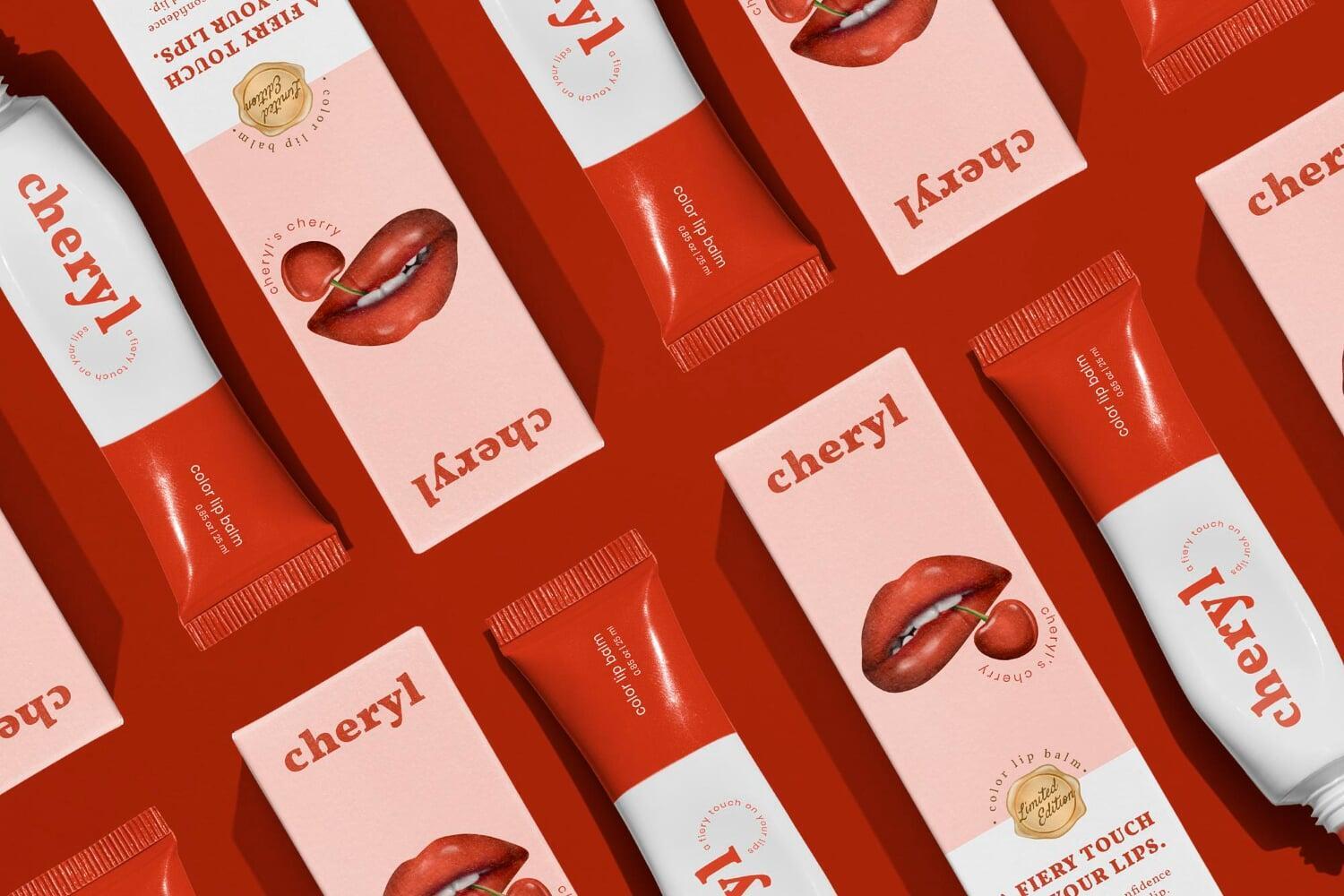
Beautiful but Broken: When Luxury Packaging Fails Operations
Luxury brands pour so much care into packaging. Thick boxes, special finishes, clever openings, all to create that “wow” moment at home. But if the packaging is not built for e-commerce fulfilment, the wow can quickly turn into delays, damage, and rising costs in the background.
Packaging is no longer just a branding choice. For online orders, it is a key part of how products move through the warehouse, through courier networks, and across borders. When it works, orders leave faster, with fewer errors and less waste. When it does not, problems appear at the worst time, like spring and early summer peaks for weddings, graduations, and gifting.
At Premium Fulfilment, we specialise in e-commerce fulfilment for luxury, high-value, and design-led products. We see the same packaging mistakes again and again, quietly hurting brands that care deeply about their image and their sustainability story. In this article, we share those common issues, how they affect performance, and how to keep your brand feeling premium while also protecting margin, speed, and the planet.
Oversized Boxes That Inflate Costs and Carbon
Big, dramatic boxes look impressive on a shelf. Online, they often cause trouble. The “big box” problem happens when the outer pack is far larger than the product inside. It might photograph well, but it usually creates a chain of knock-on effects.
In e-commerce fulfilment, oversized packaging can lead to:
Higher courier charges because of dimensional weight
More void fill to stop the product moving around
Less stock per pallet and per shelf in the warehouse
Fewer parcels per cage or van run
This all adds up, especially in busy spring periods when gifting spikes. Large, half-empty boxes also clash with a luxury brand’s sustainability promises. They take up more space in courier vehicles, which means more trips and more carbon. Customers open the box, see a small item floating in a sea of padding, and feel that disconnect between the green message and the real experience.
There is also a hidden risk. A heavy product in a box that is too big, with weak internal support, can get tossed around in transit. Corners crush, items clatter against walls, and delicate finishes chip. Right-sizing does not mean losing the luxury feel, it means designing packaging that gives a premium look without inflating size for no good reason.
Unboxing Experiences That Confuse Couriers and Customers
Thoughtful unboxing is part of the joy of buying luxury online. But when packaging becomes a puzzle, it slows everything down. We often see intricate multi-part boxes, magnetic lids, ribbon systems, and layered wraps that are lovely in a boutique, yet awkward in a fulfilment centre.
Complex formats can cause:
Packers taking extra time to assemble or close boxes
Higher error rates when similar SKUs share almost identical packaging
Confusion over which part is the outer and which is the inner
Returns that are hard to re-pack in resellable condition
In peak months leading into summer, every extra step at the packing bench matters. When teams have to “solve” the packaging every time, the line slows and small mistakes creep in. A lid put on upside down, an insert missed, the wrong colour box for the right product, and so on.
Customers feel it too. A beautiful box that is impossible to open without tearing, or made from mixed materials that are hard to recycle, can sour the experience. If returns require the exact original fold or a fiddly ribbon system, many people give up or damage the pack, which makes resale harder. The best luxury unboxing feels special but also clear, simple, and kind to both the recipient and the team handling it.
Ignoring Protection for High Value and Fragile Goods
Many design teams like the look of slim, minimal boxes with almost no padding. That may work on a display table. In real-life e-commerce fulfilment, parcels move through busy warehouses, conveyor belts, lorries, planes, and local delivery vans. They are stacked, sorted, and sometimes knocked.
Common issues we see include:
Relying only on retail packaging with no outer protective layer
Using very delicate finishes without scuff protection
Choosing boxes that leave no space for cushioning where needed
This can be especially risky for products with glass, ceramics, delicate hardware, or high-gloss surfaces. When the outer pack is too tight or too light, even one bump can cause damage. Each damaged item then triggers customer service contact, replacements, re-shipping, and possible loss of trust, which hits both brand reputation and operations.
Global shipping adds another layer. Parcels may face long routes, different climates, and multiple handling points. Light rain, humidity, or temperature changes can quickly show up weak spots in packaging design. The right balance is a pack that looks refined, but is still tough enough for the real world, not just the studio.
Sustainability Claims That Do Not Survive the Journey
Luxury brands often want packaging that feels eco-friendly. That can mean kraft textures, green icons, and short messages about nature. The problem comes when sustainability is treated like a visual style, not as a full performance standard across e-commerce fulfilment.
We often see:
Mixed materials that customers cannot easily recycle at home
Overly heavy boards and inserts used to signal “quality”
So-called eco materials that are not fit for long-distance shipping
When an “eco” box fails in transit and the product arrives damaged, the real footprint of that order actually grows. There is more waste, extra transport for returns and replacements, and often more packaging used the second time around. Customers are also becoming sharper. They notice when packs feel needlessly heavy or layered and may question the brand’s green story.
Working closely with a specialist fulfilment partner, it is possible to bring sustainability and luxury together. That often means right-sized packaging made from recycled or responsibly sourced materials, plastic-free options that truly protect, and designs that are easy to break down into common recycling streams across different countries.
Partnering with a 3PL That Protects Your Brand and Margin
Packaging for premium e-commerce should be a shared project between brand, design, and operations. When those teams work in silos, lovely ideas on the mood board can become headaches in the warehouse, especially around key seasons like spring weddings or pre-summer travel gifting.
A specialist 3PL that understands luxury products can:
Stress test new packaging in real pick, pack, and ship workflows
Model courier behaviours for different sizes and weights
Advise on material choices with both look and performance in mind
Help shape unboxing that scales on busy days without losing charm
At Premium Fulfilment, based in the UK, we focus on e-commerce fulfilment for high-value and design-led brands that care about both image and impact. We see packaging as a live part of the supply chain, not a static object. When it is designed well, your products move smoothly from shelf to doorstep, your teams work with fewer barriers, and your customers enjoy the kind of luxury experience that feels thoughtful, modern, and aligned with your values.
Streamline Your Operations With Expert Ecommerce Fulfilment Support
If you are ready to simplify your online order processing and improve delivery performance, we are here to help. At Premium Fulfilment, our tailored ecommerce fulfilment solutions are designed to scale with your business and reduce your workload. Speak to our team today to discuss your requirements and explore a fulfilment setup that fits your operation. You can also contact us to arrange a no-obligation conversation about your next steps.